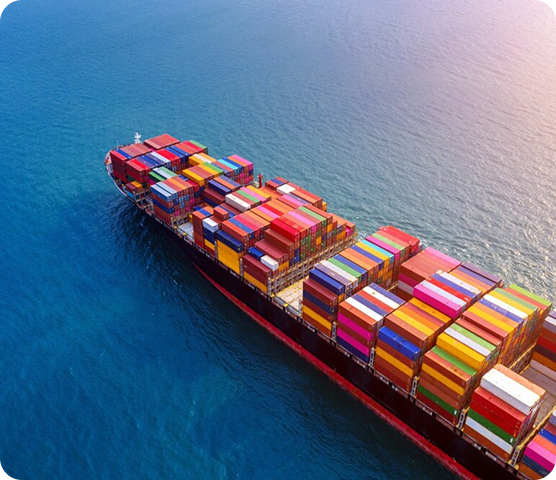
Major shipping ports worldwide continue to grapple with unprecedented congestion that has exposed fundamental vulnerabilities in global maritime logistics networks. What began as pandemic-related disruptions has evolved into a structural challenge requiring comprehensive solutions that go beyond simply adding more capacity.
The anatomy of port congestion involves multiple interconnected factors. Labor shortages, aging infrastructure, and mismatched capacity between ocean vessels and inland transportation create bottlenecks that cascade throughout supply chains. When combined with just-in-time inventory strategies and limited storage capacity, even minor disruptions can trigger weeks-long delays.
Traditional approaches to managing port congestion focused primarily on expanding physical capacity through new berths, larger cranes, and additional storage yards. While necessary, these solutions require years to implement and may not address underlying operational inefficiencies. Modern ports are increasingly turning to technology-driven solutions that optimize existing resources.
Digital port management systems now coordinate vessel arrivals, berth assignments, and cargo handling in real-time. Predictive analytics help anticipate congestion before it occurs, allowing proactive measures like rerouting vessels or adjusting work schedules. Automated container handling systems reduce processing times and minimize human error, while improving worker safety in hazardous environments.
The rise of inland ports and dry docks represents another strategic response to coastal congestion. By moving cargo processing away from overcrowded coastal facilities, these inland hubs distribute logistics activity across broader geographic areas. Rail and inland waterway connections provide alternative transport modes that can bypass congested highway networks.
Collaboration between public and private stakeholders has become essential for addressing systemic port challenges. Port authorities are working more closely with shipping lines, trucking companies, and rail operators to optimize end-to-end logistics flows. Extended gate hours, appointment systems, and shared information platforms help distribute cargo movement across larger time windows.
Looking ahead, the most resilient ports will be those that embrace digital transformation, diversify their connectivity options, and maintain flexible operations that can adapt to changing trade patterns. The lessons learned from recent congestion crises are driving investments in both infrastructure and technology that will define maritime logistics for decades to come.